
Early spring on a regenerative farm doesn’t arrive all at once. It slowly emerges between melting snow, muddy boots, and the quiet work of preparing the land for the growing season ahead.
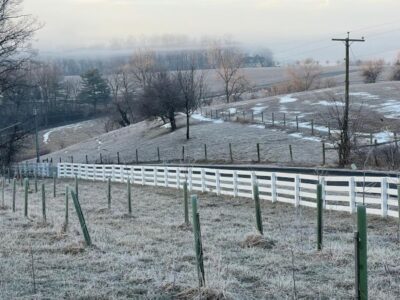
A frosty morning across the hills of Harden Family Farms as winter slowly gives way to spring.
A frosty morning across the hills of Harden Family Farms as winter slowly gives way to spring.
Early spring on a regenerative farm in Maryland rarely arrives all at once. Instead, it creeps in quietly between cold rains, melting snow, and muddy boots.
Right now, we’re in what farmers often call mud season — that in-between time when winter is slowly fading but spring hasn’t quite arrived.
The snow has finally melted across the hills of Harden Family Farms, but the weather still feels stuck between seasons. The days are cold and rainy, the pastures are soft underfoot, and every trip outside requires a good pair of boots.
It may not look like much yet, but this quiet stretch is when the farm begins preparing for the growing season ahead.
When the Land Begins to Wake Up
As the snow melts and the ground slowly warms, something important is happening beneath the surface.
The soil is waking up.
After months of winter dormancy, beneficial microbes and earthworms begin to move again. Moisture from melting snow and spring rain seeps deep into the soil, activating the living ecosystem that supports healthy crops and pasture.
This is one of the key principles of regenerative farming — caring for the soil so it can support healthy plants, animals, and people year after year.
From the outside, mud season can look messy. But underground, the farm is quietly preparing for growth.
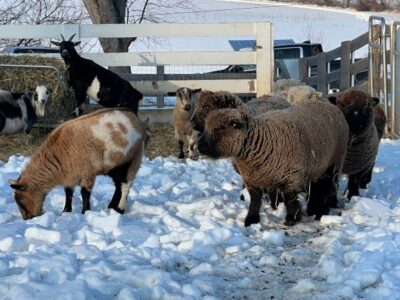
Sheep and goats waiting patiently as the pastures prepare to wake up for spring grazing.
Waiting for the First Spring Pasture
Caption: Sheep and goats waiting patiently as the pastures prepare to wake up for spring grazing.
Our sheep and goats have been watching the pastures closely.
If you spend enough time around grazing animals, you’ll notice they seem to sense the arrival of spring before we do. They wander the fence lines and sniff the ground, searching for those first hints of green grass.
But this early moment requires patience.
Allowing animals to graze too soon can weaken pasture plants before they have time to establish. Instead, we wait until the grass has enough growth to support healthy rotational grazing.
Soon enough, the hills will turn green and the animals will move onto fresh pasture — exactly the way nature designed grazing systems to work.
For now, they wait.
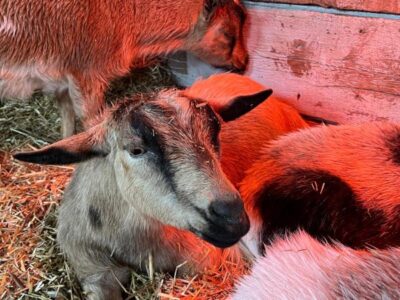
Goats staying warm in the barn during the lingering chill of early spring.
Starting Seeds in the Potting Shed
While the pastures are still waking up outside, another part of the farm is quietly coming to life.
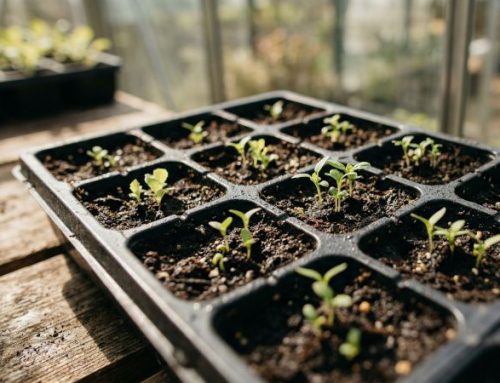
This week we finished setting up the potting shed for seed starting.
It’s still early in the season, which means we’ll have to heat the potting shed to give young seedlings the warmth they need to grow. Starting seeds indoors allows us to get a head start on the growing season so plants are ready when the outdoor soil warms.
Tiny green sprouts may seem small, but every harvest begins this way — with a handful of seeds, a bit of warmth, and a lot of patience.
Building Soil Health with Organic Biochar
Another project underway on the farm is preparing a supply of organic biochar.
Biochar is a special type of charcoal created from plant material and added to soil to improve long-term fertility. It acts like a habitat for beneficial microbes while also helping soil retain nutrients and moisture.
For regenerative farms, soil health is everything.
Adding biochar helps build resilient soil that supports crops, pasture grasses, and the diverse microbial life that keeps ecosystems thriving.
We’ve got a good supply ready, and as planting season begins, we’ll start incorporating it into the soil where it can benefit the farm for years to come.

A visiting city dog taking in the view of the countryside from the farmhouse window.
A Farm Adventure for a City Dog
This week the farm also had a special visitor — our grand-dog from Washington, DC.
City dogs live a very different life, so a few days on the farm can be quite an adventure. Wide open fields, fresh air, and new animal friends make the countryside a completely different world from city sidewalks.
He quickly found himself exploring alongside the rest of the farm’s canine crew — livestock guardian dogs Abbey and Gracie, along with our two tiny but determined chihuahuas, Nico and Cody.
Watching them race around the fields together was a reminder that farms aren’t just places where food is grown.
They’re also places full of life, energy, and a little bit of daily chaos.
Springtime in the Country — May 2
As the farm slowly transitions toward spring, we’re also excited to share an upcoming event.
On May 2, we’ll be hosting Springtime in the Country — A Farm-to-Table Experience here at Harden Family Farms.
This special evening will celebrate the beauty of the countryside, seasonal food, and the connection between farms and the community they nourish.
Guests will have the opportunity to experience the farm, enjoy thoughtfully prepared food, and spend time surrounded by the rolling landscape of the Appalachian Piedmont.
Tickets are available here:
https://www.eventbrite.com/e/springtime-in-the-country-farm-to-table-experience-tickets-1983834299794
Events like this are one of our favorite ways to share the farm with others and bring people closer to where their food comes from.
The Season Before the Season
Mud season may not be the most picturesque time of year.
The fields are brown, the ground is soft, and the weather still carries a chill from winter.
But this quiet moment is where the work of spring begins.
Seeds are being started. Soil is being strengthened. Animals are preparing for fresh pasture. And the farm is slowly waking up for the growing season ahead.
Spring isn’t here just yet — but you can feel it getting closer.
If you’d like to follow along with life at Harden Family Farms, keep an eye on our weekly farm updates, visit us for one of our events, or come experience the countryside when the fields finally turn green again.
We’d love to share it with you.
Frequently Asked Questions About Early Spring on a Farm
Why is early spring called mud season on farms?
Mud season happens when winter snow melts and early spring rains arrive before grass begins actively growing. The soil becomes saturated, creating muddy conditions while the land slowly warms for spring growth.
When do sheep and goats begin grazing spring pasture?
Farmers usually wait until grass has established strong growth before allowing animals to graze. Grazing too early can weaken pasture plants and slow spring regrowth.
What is biochar and why do regenerative farms use it?
Biochar is a form of charcoal made from plant material that improves soil health. It helps retain nutrients, supports beneficial microbes, and increases soil resilience over time.
Why do farmers start seeds indoors in early spring?
Starting seeds indoors gives plants a head start before outdoor soil temperatures warm enough for planting. This helps extend the growing season and ensures healthy young plants when spring planting begins.